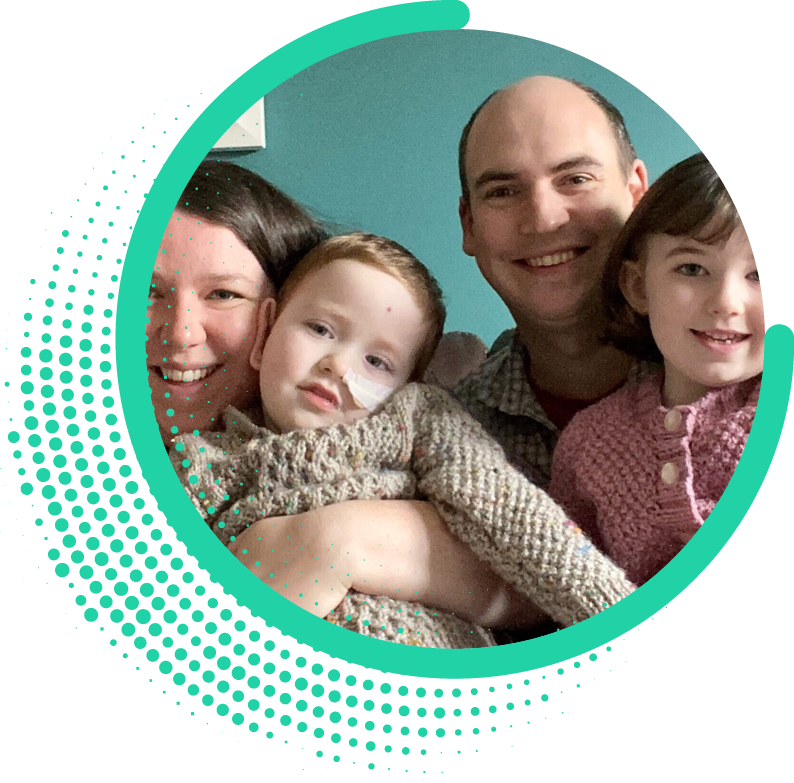
Advice for Children & Parents
Daily Care
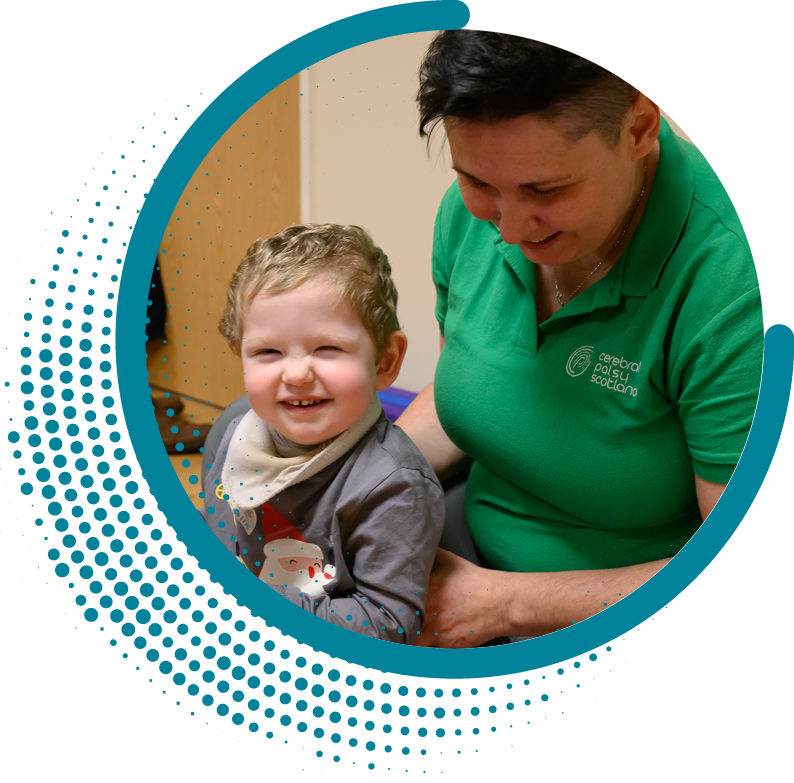
Cerebral Palsy Scotland offers specialist, multidisciplinary therapy. Our therapists will work with you to establish your goals and what type of therapy input you need. Our therapy sessions often combine physiotherapy, occupational therapy, and speech and language therapy within sessions.
This section contains a range of practical tips and advice from our therapy team on daily care of your child.
When children learn to do everyday things in more efficient ways (using less force and effort) they will become less tired and do not develop unhelpful ways of doing things. Specialist therapists can show a family ways to handle and play with their child that encourage and best support movements and engagement – so they experience success and have fun while learning.
Nursery and School Years
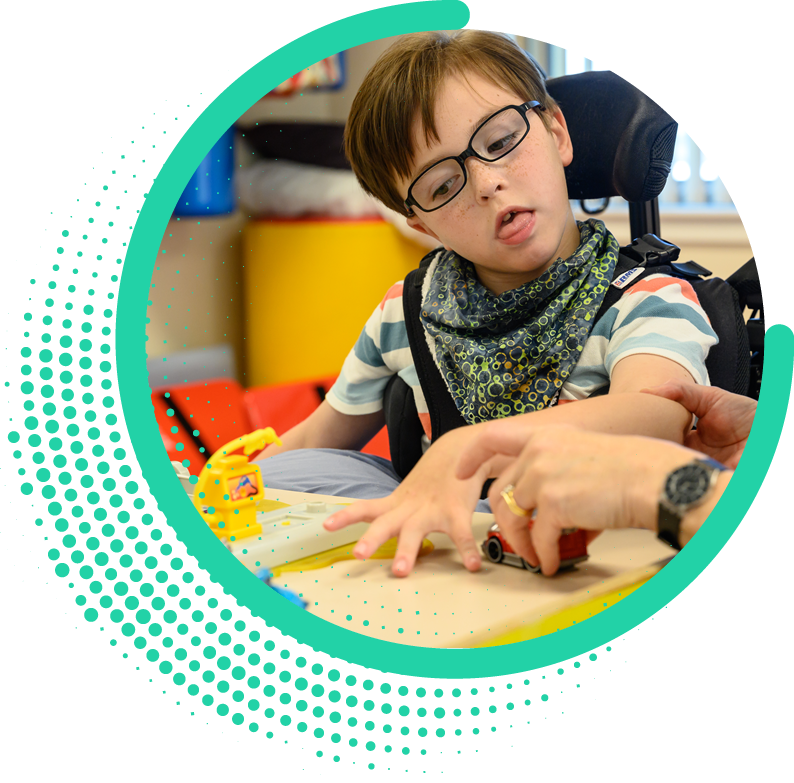
Children with cerebral palsy may need additional help and support to participate fully in everyday play and learning at nursery and school.
But whatever their support needs are, every child with cerebral palsy is entitled to the help and equipment they need in school to allow them to achieve their potential.
Many children with CP will thrive in mainstream schooling, while others may benefit from being in specialised surroundings. Wherever your child goes to school, careful planning and ongoing coordinated support from educators, therapists and other professionals is essential to them successfully learning and participating.
Planning and coordination are especially important as a child transitions to, or between, educational settings – for example when starting nursery, or moving from nursery to primary school.
Growing pain for children with CP
From the ages of about zero to three children’s bodies and brains grow quickly. This is the best time to receive intensive therapy as the brain is ready to learn and will remember good movement patterns that are practised.
It’s normal for bones to grow faster than muscles during growth spurts. This is where growing pains come from. In children who don’t have CP, their muscles will eventually catch up in length. Spasticity (tightness) makes this much harder for kids who do have CP, and those muscles are stiffer, difficult to control and harder to move through a usual range of movement. During a growth spurt, it’s common for the muscle to become even tighter. For example, it may become more pronounced that a child is walking on their toes as the Achilles tendon becomes increasingly tight.